9+ curated guides • Updated August 2025
The classic Hollywood ending is a fade to black, leaving us to imagine a quiet retirement. But for some of the biggest names of yesteryear, the real story began after the credits rolled—not on another film set, but in boardrooms, art studios, and activist platforms. This isn't a 'where are they now?' list; it's a playbook for the ultimate second act. We move beyond the superficial to dissect the architecture of reinvention, exploring how these icons leveraged the very skills that made them famous to build legacies far more enduring than celluloid. Their stories reveal a profound truth: the most compelling character they ever played was themselves, reborn.
You're staring at a list of Black Friday deals, but the thought of adding another monthly bill—even a cheap one—is exhausting. We're flipping the script: don't think of the Peacock deal as an addition, but as your secret weapon to confidently cancel a more expensive service for a full year without missing out. This isn't about hoarding services; it's about executing a precise, wallet-friendly maneuver in the streaming wars. We're going to show you how to perform a 'Subscription Swap,' a simple move that treats streaming services like strategic assets in your financial portfolio, not just sunk costs. The goal is to trim the fat from your monthly budget while maintaining a robust entertainment lineup. For the price of a few fancy coffees, you can secure a year of content and pocket the significant savings.
You came looking for a price tag, but the story of Gucci's most expensive hat isn't about the cost—it's about the value. This isn't just headwear; it's a meticulously crafted piece of brand lore, a symbol of an economic echelon, and a fascinating case study in what makes an object worth more than its weight in gold. Before we dissect the anatomy of this wearable asset, understand this: the five- or even six-figure sum attached is merely the entry point. The true value is unlocked by understanding the confluence of history, material science, and the powerful psychology of desire that Gucci has masterfully engineered. This article moves beyond the superficial to analyze the very essence of modern luxury, using this singular object as our lens.
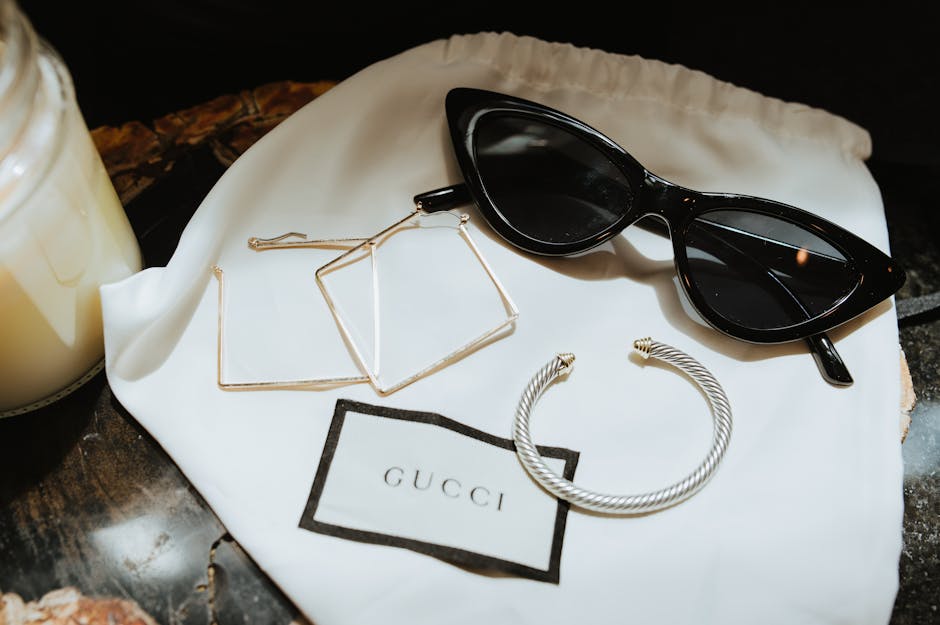
You saw the headlines: the impossible shoes, the comically tiny bags, the jewelry that doubles as a sculpture. The internet's first question is always, 'But who would actually wear that?' We believe that’s the wrong question—these accessories aren't prescriptions to be followed, they're creative concepts to be deconstructed. They are provocations, theoretical proposals worn on the body. This article is not a shopping guide; it is a user manual for the imagination, teaching you how to translate the high-concept language of the runway into a personal dialect that speaks volumes about who you are.
You’ve watched the tutorials and practiced the intricate knots, yet your casual scarf still looks... deliberate. The secret to that coveted, 'I just threw this on' vibe isn't in another complicated tying technique; it's in forgetting them entirely. This isn't about adding another step to your routine; it's about stripping away the artifice. We've been sold a lie that complexity equals sophistication. In the realm of casual wear, the opposite is true. True style is about intuition, movement, and the quiet confidence of imperfection. It's time to unlearn the rules and embrace the drape.
Look back at the bag you carried in 2022. Was it an impractically tiny clutch or a tote big enough to hold your life? That choice was more than a style statement—it was a direct reflection of our collective psyche, torn between a desperate craving for frivolous fun and a deep-seated need for practical security in a post-pandemic world. As a cultural analyst, I observe that accessories are never just accessories; they are artifacts of our time. In 2022, the handbag became the most potent, non-verbal communicator of our internal state. This article unpacks the profound psychological currents that drove the year's most dominant and diametrically opposed handbag trends, revealing a society grappling with its newfound, fragile freedom.
We cringe, we share, we talk for days. A high-profile celebrity wardrobe fail feels like a rare, unscripted moment of human error. But what if, behind the flashbulbs and frantic headlines, a different script is at play? This article deconstructs the theory that the most talked-about fashion 'accidents' were actually genius, calculated PR moves designed to dominate the news cycle. I’ve spent two decades in this business, and I’m here to tell you that in Hollywood, very little is left to chance—especially not the moments that get the most attention. We don't pray to avoid crises; we manufacture them. A broken zipper or a ripped seam can be worth more than a six-month press tour, and it’s about time you understood why.
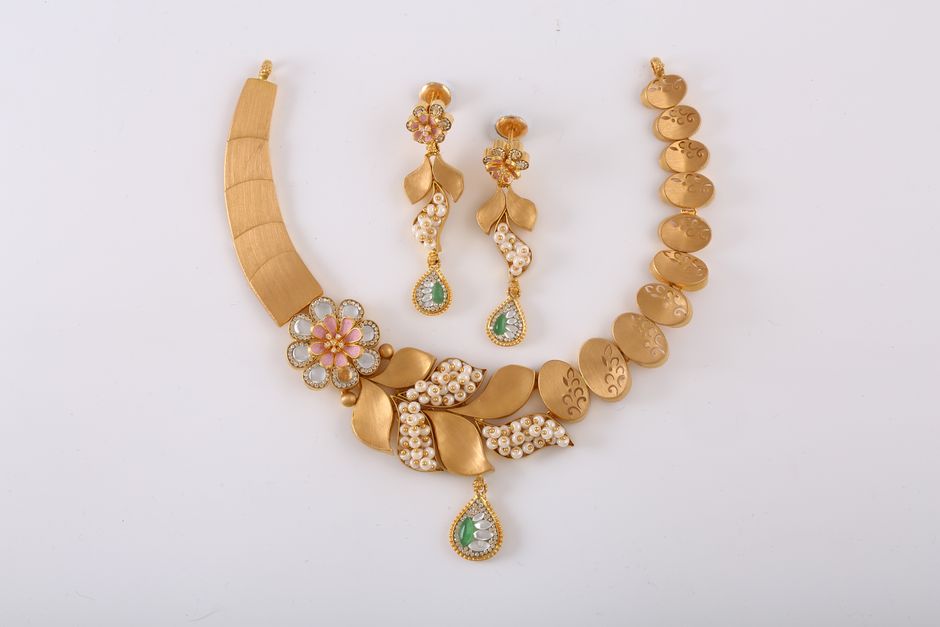
That perfectly coordinated jewellery set is dominating your feed, and the urge to click 'buy' is real. But will it still feel stylish in six months, or is it destined for the back of your drawer? We're going beyond the hype to reveal the secrets of 'trend-proof' sets—the modern classics that feel current now and will remain chic for years to come. In the world of trend forecasting, we differentiate between the flash-in-the-pan fads and the enduring style movements that shape our wardrobes. This guide is your new toolkit for making discerning, confident choices, transforming you from a trend follower into a style curator. We'll dissect the anatomy of longevity and provide a strategic framework for building a jewellery collection that is both current and classic, ensuring every piece you acquire is a true asset.
You saw the shocking breakup announcement and the perfectly-timed red carpet debut. But what you didn't see was the strategic press release, the 'leaked' tip-off, and the social media rollout designed to control the narrative. We're ignoring the gossip to expose the game, showing you who is really pulling the strings behind today's celebrity news. Forget the what; we're here to dissect the how and the why. In a world saturated with information, the most valuable currency isn't fame—it's control. And public relations professionals are the central bankers.